(I didn’t know what to write, so how about a Greek mythology tale?)
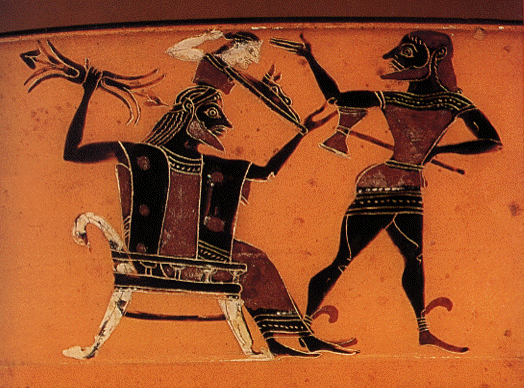
Athena was born from the forehead of her father, Zeus, fully grown and armored. Fearing a prophecy that his wife, Metis, would bear a son stronger than him (and his wife Hera), Zeus swallowed the pregnant goddess. Later, suffering from a severe headache, Hephaestus split Zeus’s skull, allowing Athena to spring forth, embodying wisdom and war.
While the birth of Athena is often remembered for the dramatic image of her leaping from Zeus’s cracked skull, the story is rooted in a cycle of divine power struggles. It begins with Metis, the personification of wisdom, whose pregnancy posed a threat to Zeus’s throne. By swallowing Metis, Zeus attempted to contain that threat, but instead, he internalized her wisdom, eventually giving birth to a goddess who combined his lightning-bolt authority with her mother’s strategic brilliance.
Hephaestus: The Divine Surgeon
While Zeus is the central figure, Hephaestus (the god of fire, smithing, and craftsmanship) plays a critical role as the catalyst for the birth.
- The “Cure” for the Headache: Suffering from an unbearable pressure within his skull, Zeus turned to Hephaestus to end his agony.
- The Labrys (Double-Axe): Using his legendary craftsmanship, Hephaestus struck Zeus’s forehead with a double-headed axe, an act that symbolized the physical “breaking” of a barrier to release wisdom.
- Craftsmanship and Strategy: This interaction links the god of physical creation (Hephaestus) with the goddess of intellectual creation (Athena), highlighting that wisdom often requires a practical tool or action to be realized.

Athena’s Unique Attributes
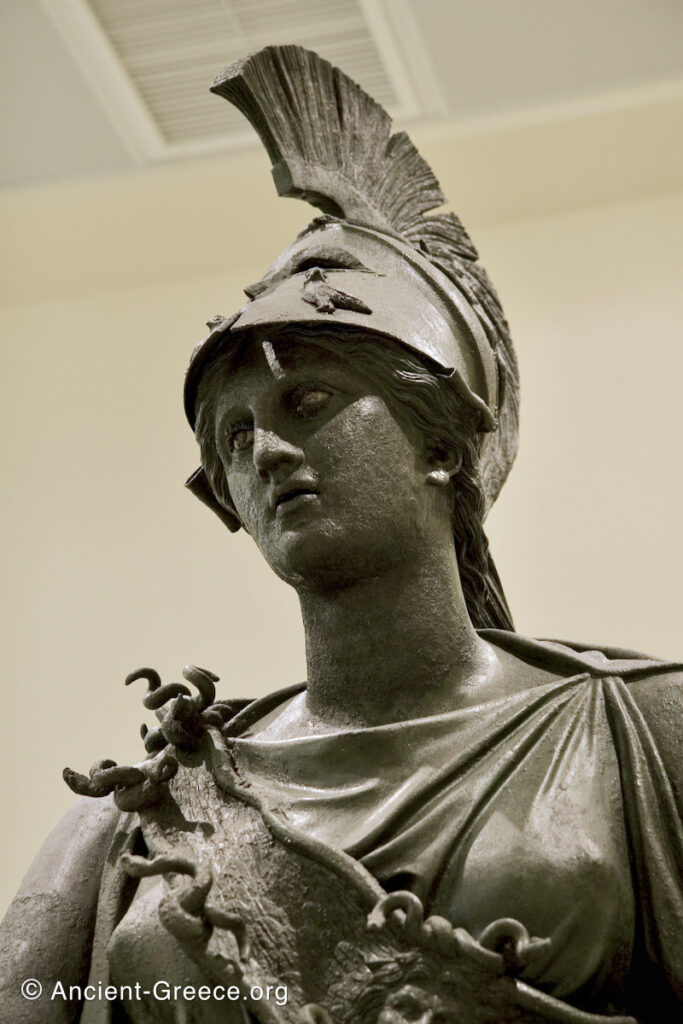
Athena’s arrival was unlike any other Olympian, and her attributes reflect the power of both her parents:
- Born “Fully Grown and Armored”: This signifies that wisdom does not always mature slowly; it can arrive ready for battle and perfectly formed.
- The War Cry: Upon her birth, she let out a thunderous cry that reportedly caused the earth and sea to tremble, establishing her immediate dominance among the gods.
- Wisdom and War Strategy: Inheriting the “Metis” (cunning intelligence) from her mother and “Authority” from Zeus, Athena became the patron of strategic warfare. Unlike Ares, who represents the bloodlust of war, Athena represents the discipline, planning, and justice behind it.
- The Aegis and the Owl: Often depicted with the Aegis (a protective shield or garment) and the owl, she represents both the defensive strength of the state and the clear-sightedness of the intellect.